Redesigning a Utility App into a Commercial Platform Without Losing Existing Users
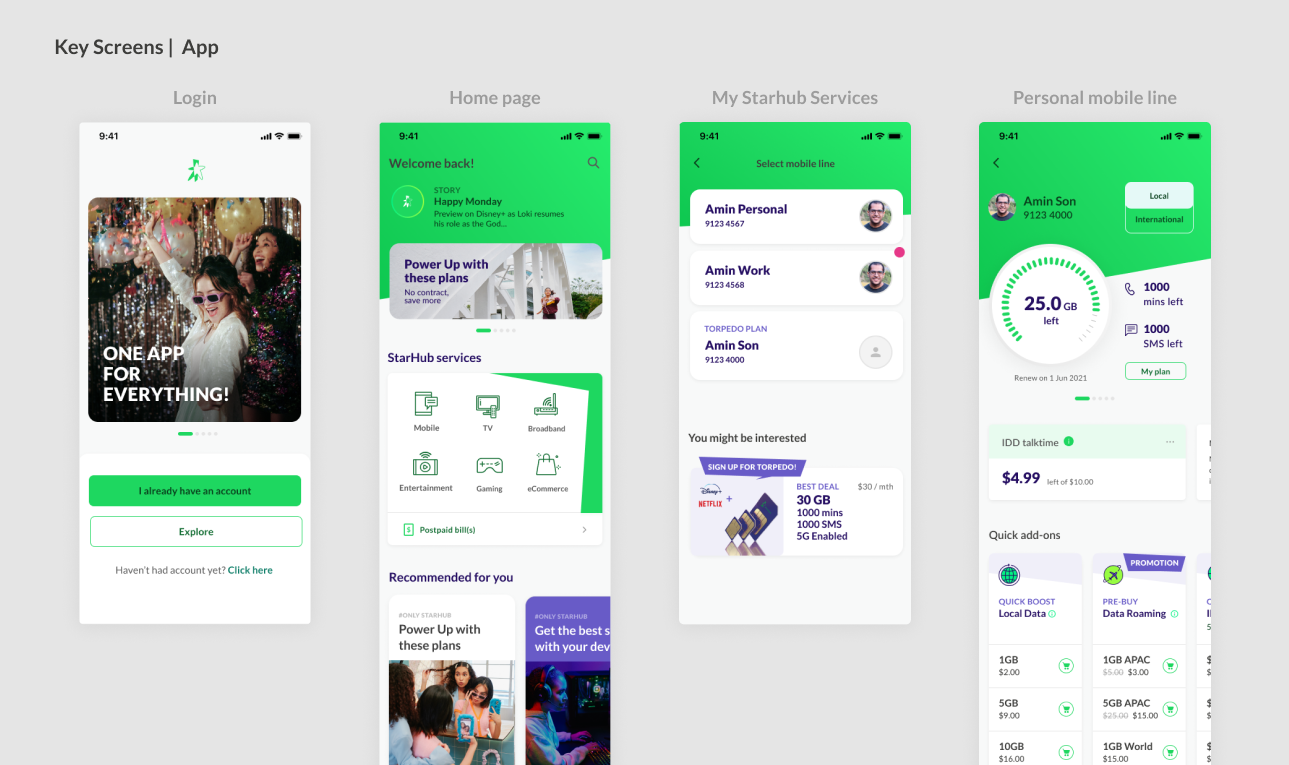
Over a two-year transformation programme, StarHub undertook a major revamp of its customer self-service mobile app to reposition it from a utility-driven experience into a commercial growth platform.
I joined the initiative as a Lead Project Designer, owning the MVP design phase, where foundational UX decisions were made before the product went into full-scale development and launch.
Working within project team, I partnered closely with the Product Owner, Digital Lead, Tech teams, and vendors to shape the MVP experience that would set the long-term direction of the app.
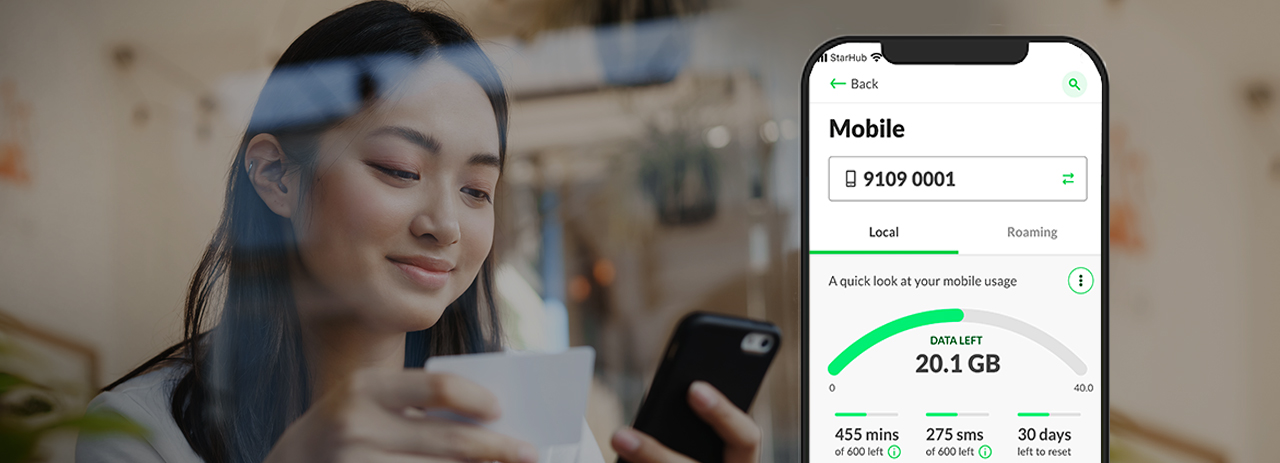
Previous StarHub customer app
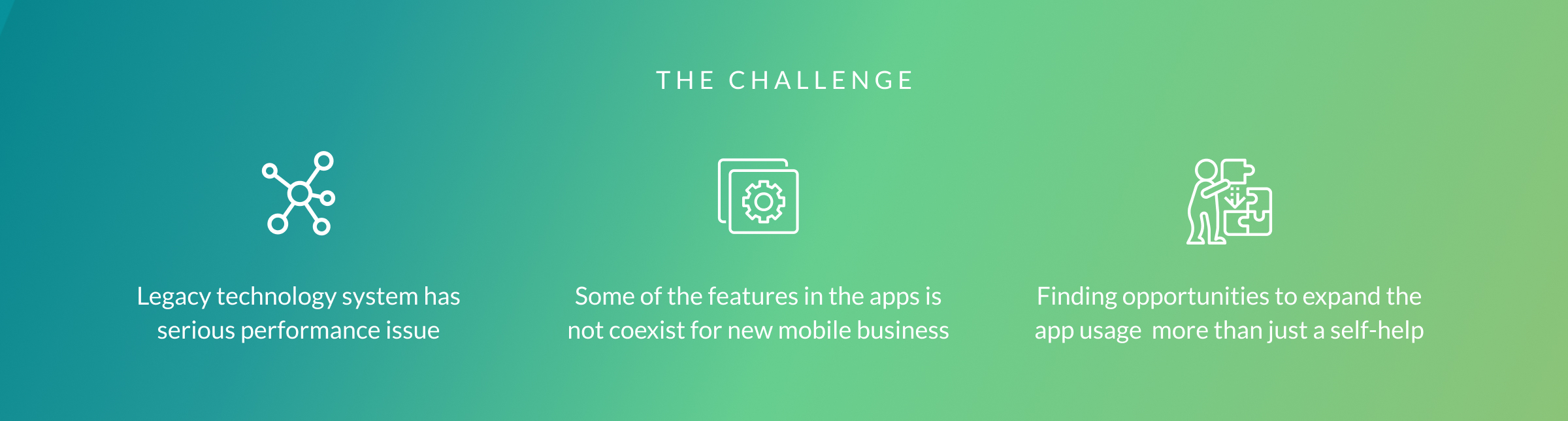
The challenges
Balancing commercial goals without breaking user habits
Historically, the app served existing customers who relied on it for fast, habitual tasks such as checking data usage, managing bills, and account servicing. The new business direction required the homepage to actively promote products, rewards engagement and drive monetisation. This was not a visual redesign problem, it was a behavioural and trust problem.
Why is it matter?
From a user perspective:
Existing users had strong muscle memory.
Sudden changes to navigation or hierarchy risked confusion and task failure.
From a business perspective:
Without a commercial homepage, product visibility and conversion would drop.
Poor early experiences would erode confidence in the revamped app.
If unresolved, this would lead to:
Increased navigation error
Lower task completion rate
Declining engagement with commercial content
My role
As Lead Product Designer for the MVP, I was accountable for:
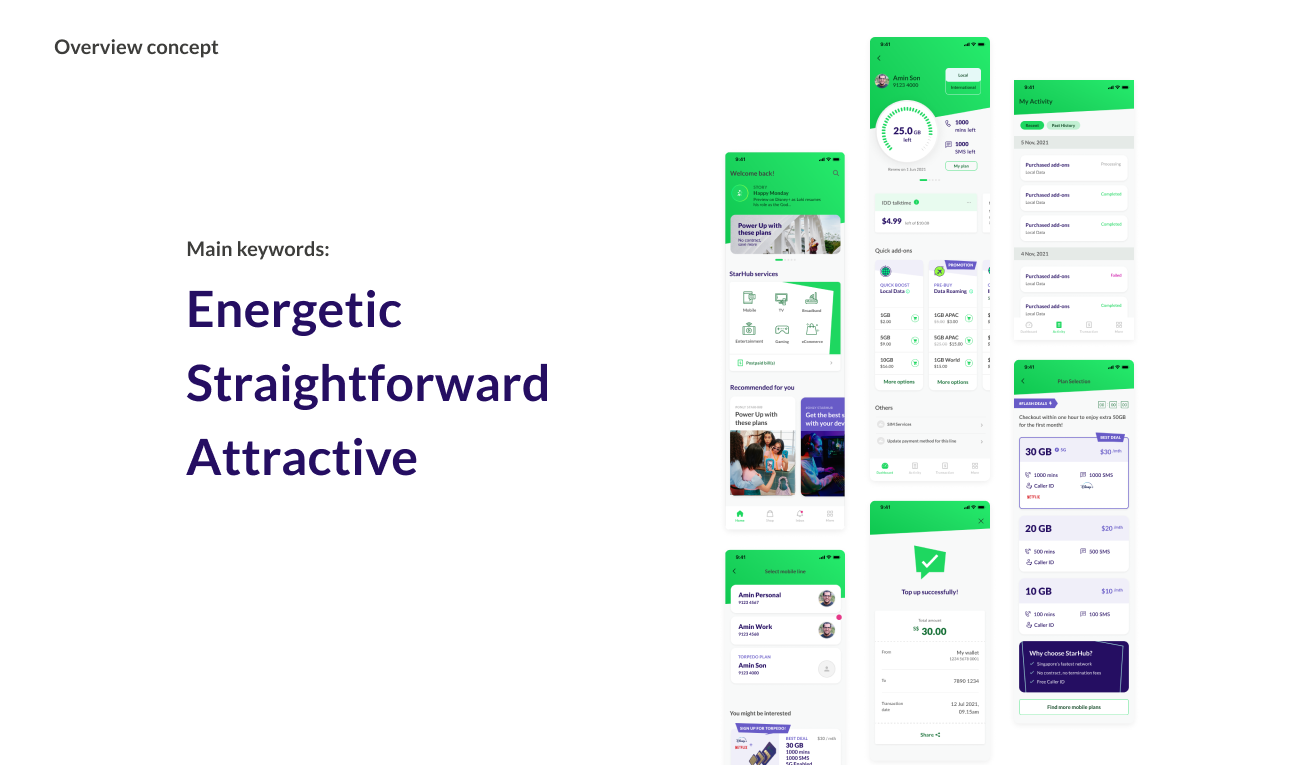
Defining the homepage UX strategy during the transition from utility-first to commerce-enable.
Translating business intent into user-safe experiences
Facilitating alignment between Business, Product, Digital stakeholders and Tech teams
Although I exited the company prior to public launch, the MVP design established the structural used in development phase.
Influence through evidence
Using A/B testing to shift decisions from technical preference to data-driven UX
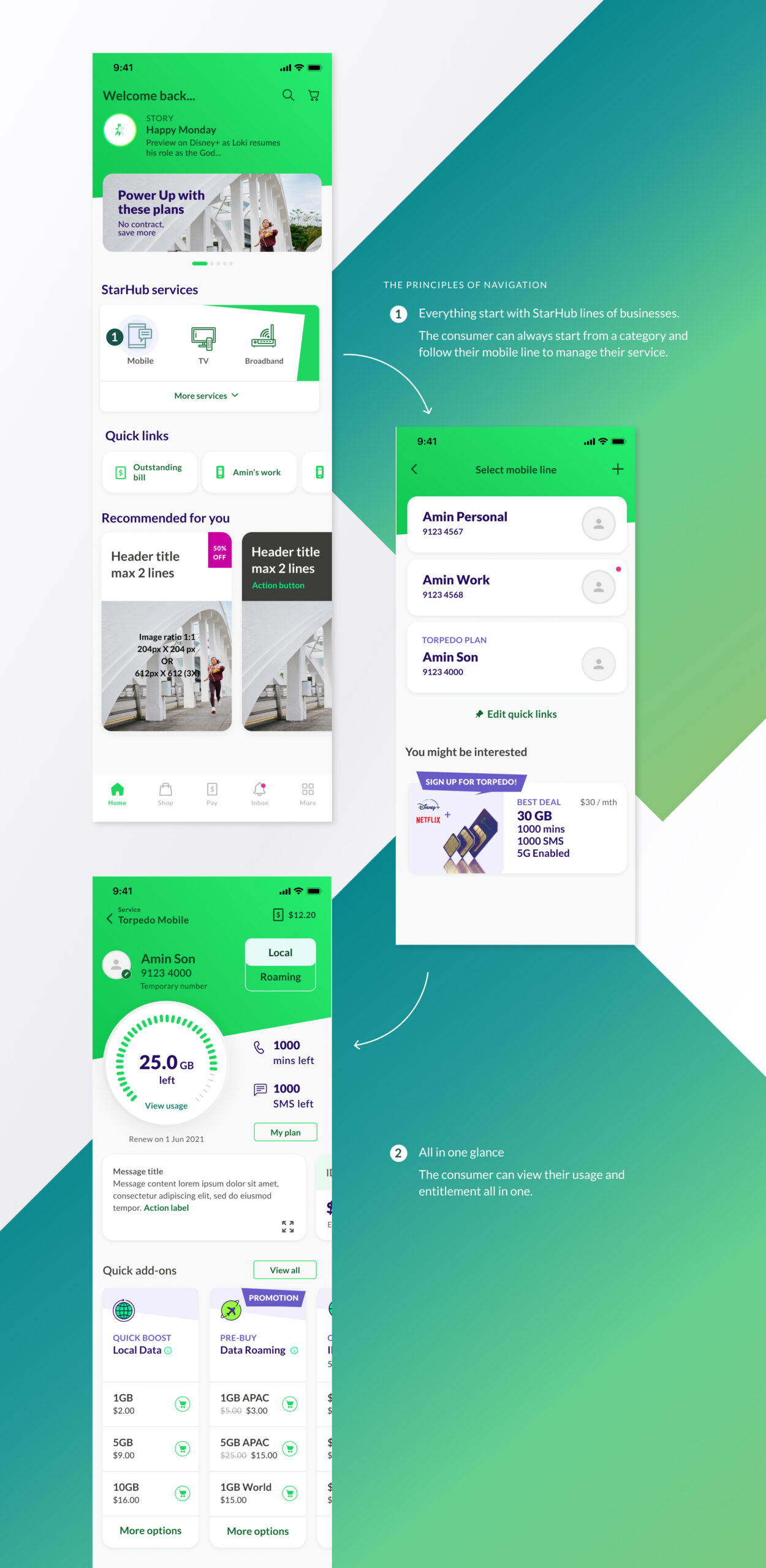
During the MVP phase, several homepage decisions were initially driven by technical convenience, particularly around navigation hierarchy which would reduced access points to utility functions
Rather than relying on subjective debate, I introduced A/B testing as a decision tool to align stakeholders around real user behaviour.
While feasible, this approach carried high UX risk for existing users with strong task-based habits.
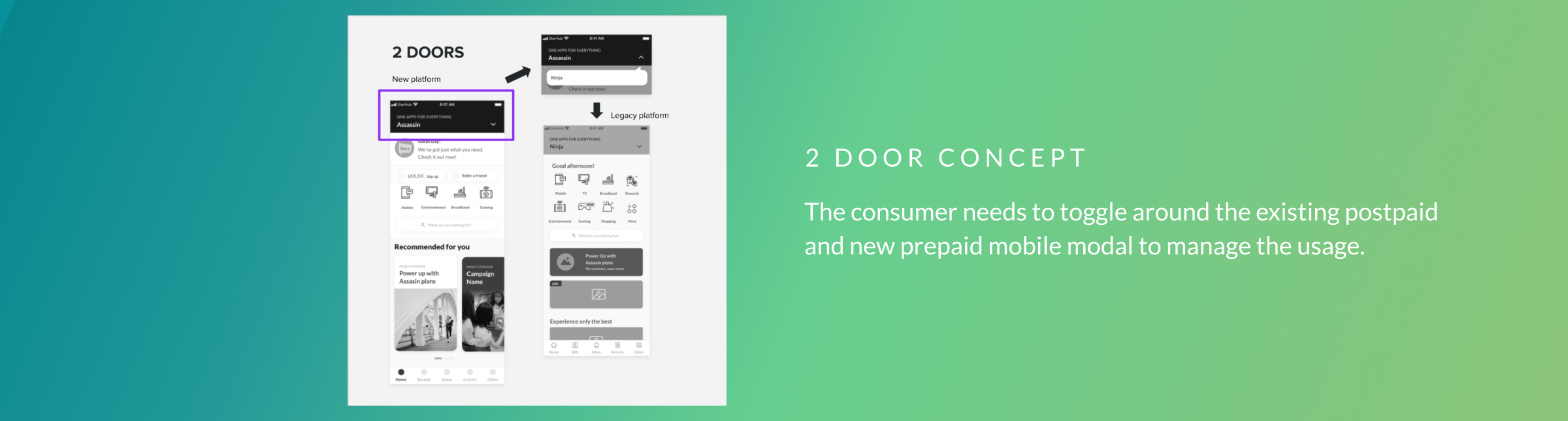
At the project’s outset, solution engineers proposed a dual-system approach, allowing users to select the appropriate system for their journey within the apps.
"Does customer need to know their exact mobile plan to check their usage?" — Stakeholder A
"80% is legacy customer during the launch of revamped app. How we can ensure they will not feel abandoned and adapt to new apps? " — Stakeholder B
Verifying ideas via research
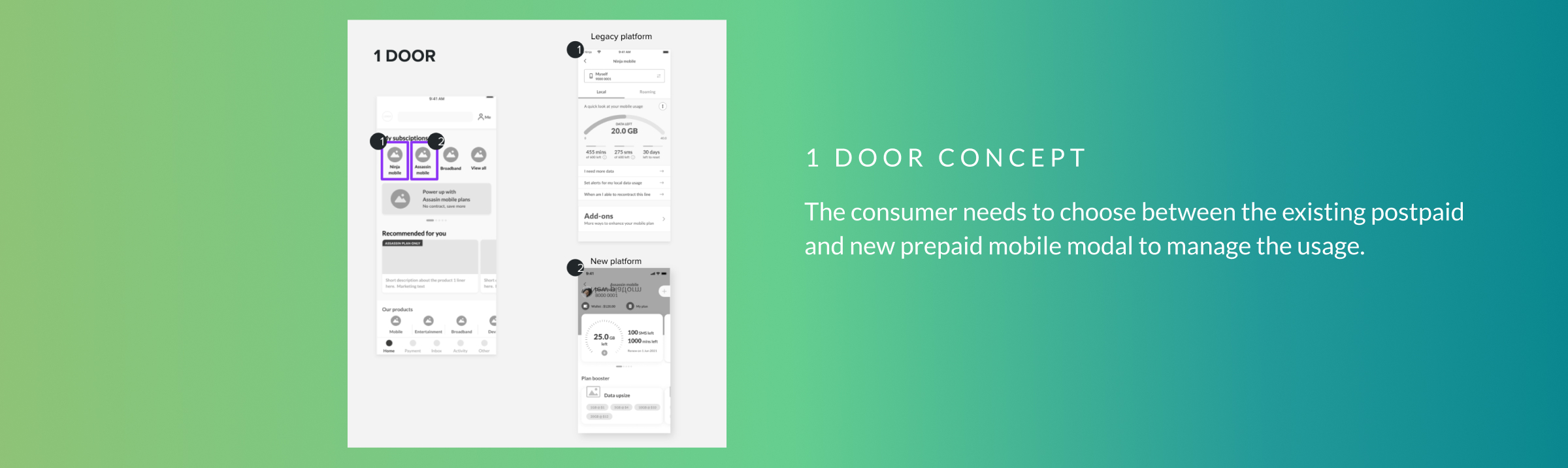
User data guides the design, ensuring essential features remain visible and accessible. Due to tech limitations, two design approaches were tested using unbiased A/B testing to optimize the user experience.
The research shows that the SUSS score, 51 (2 doors) vs 61 (1 entry), shows that both approaches weren’t ideal. However, 1 door has a better response than another.
"User has telco’s mindset, which is everything back to looking for “Mobile” entry."
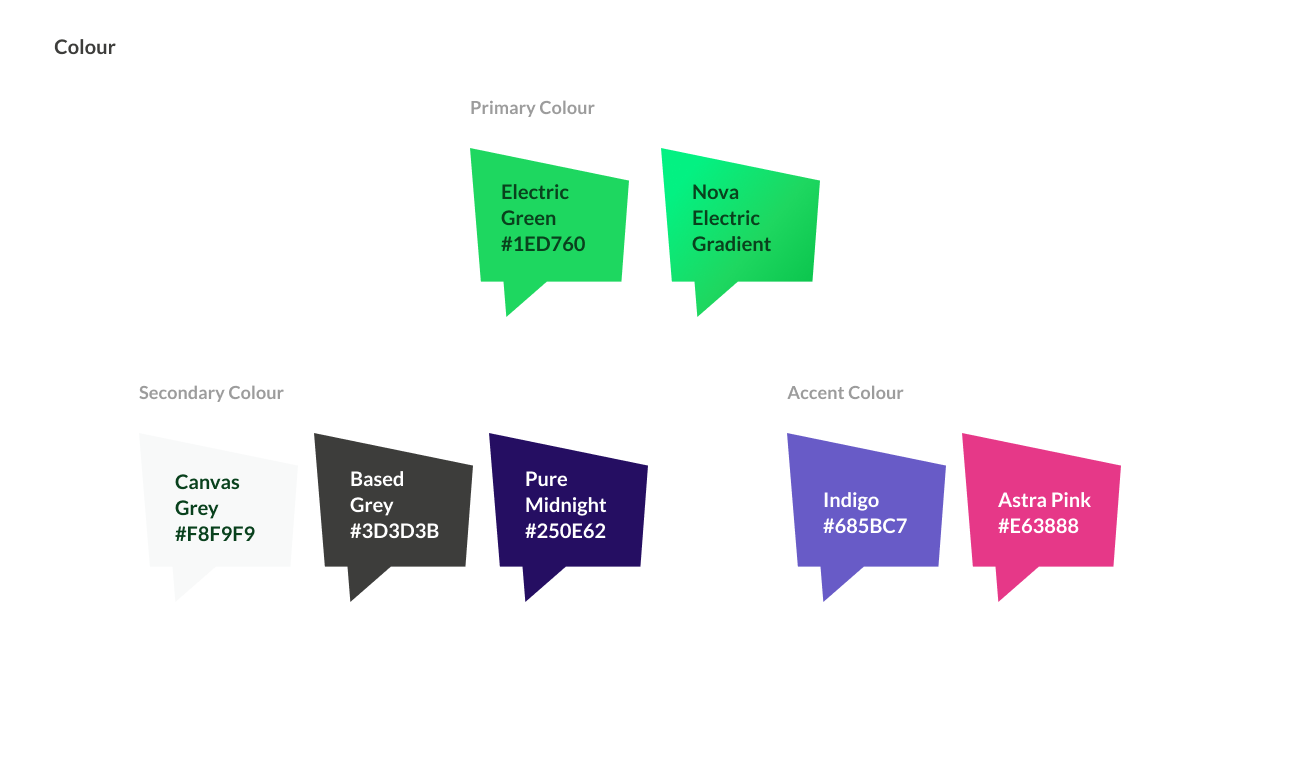
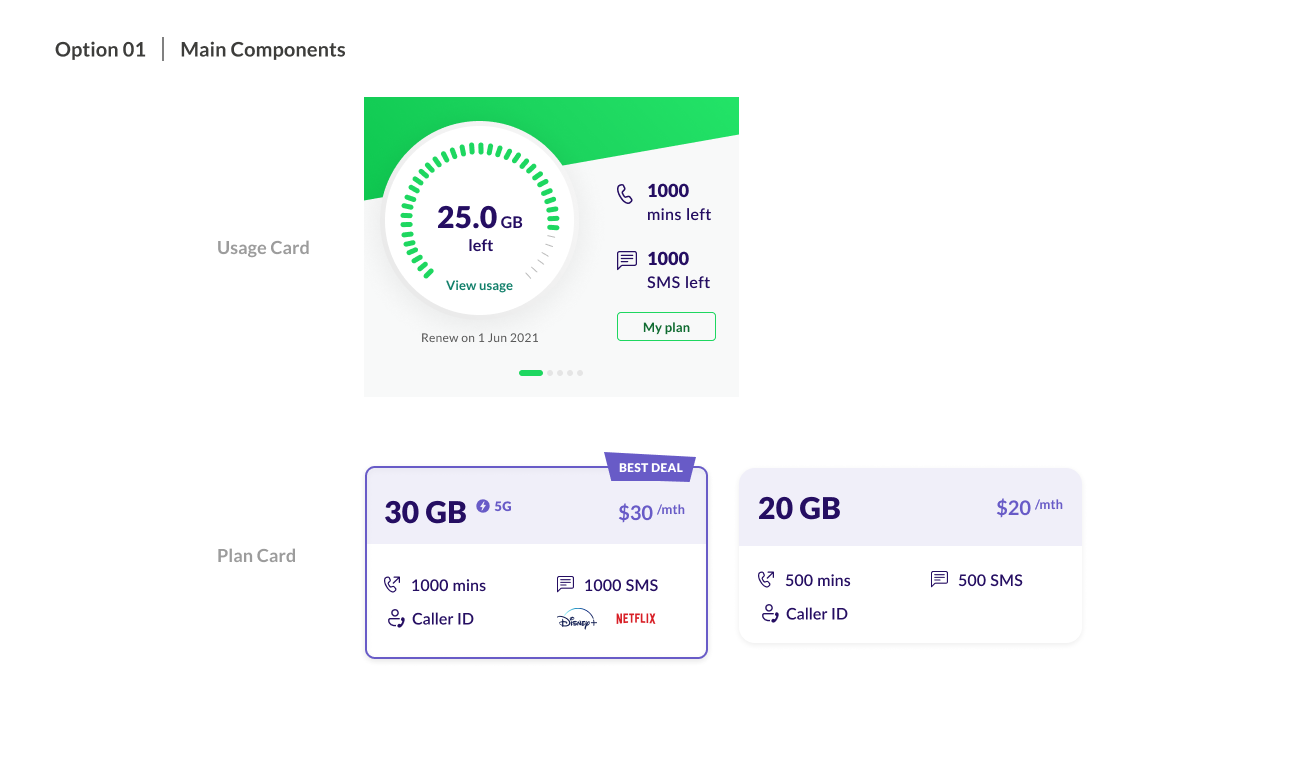
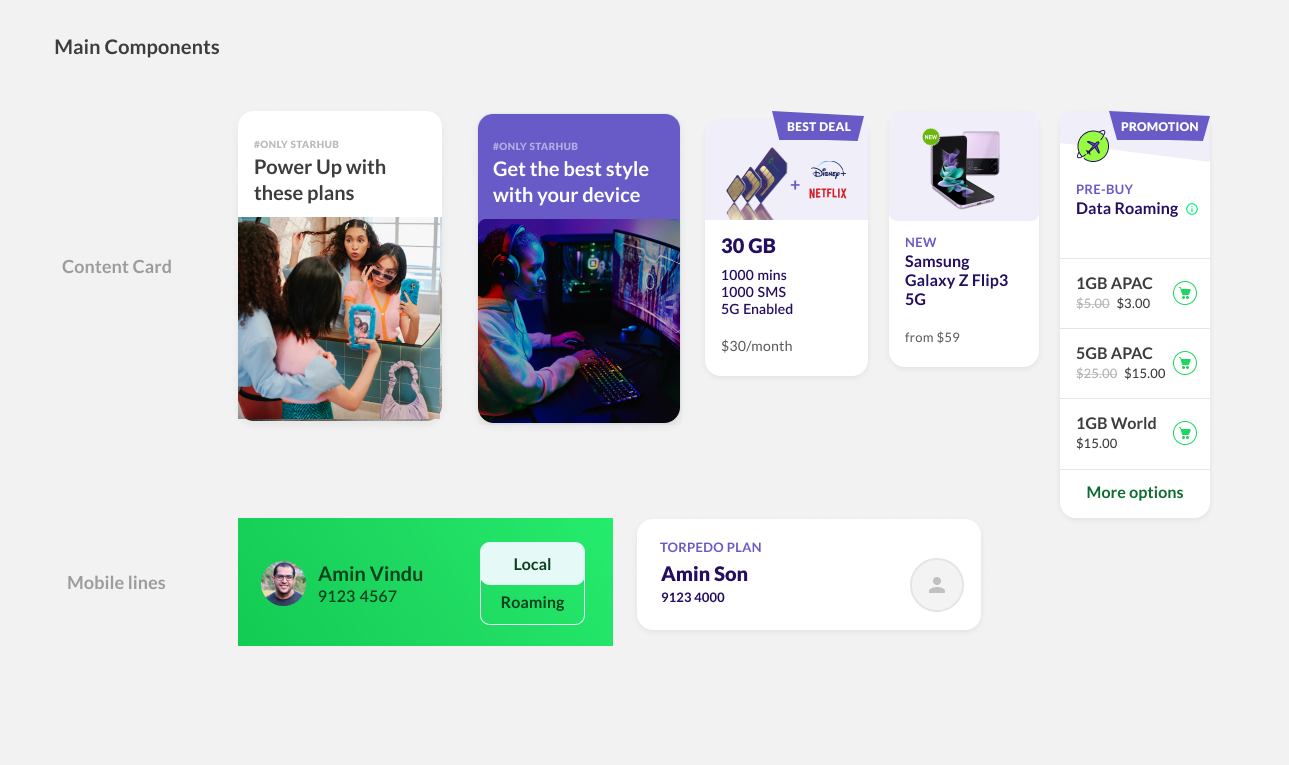
The project also included a design system overhaul to give the apps a new look and feel. This helped to improve consistency, usability, and maintainability.